Exploring the Rare Metal Tungsten: A Key Pillar in the Industrial Sector [SMM Science Popularization]

Published: Feb 16, 2025 21:29
[SMM Science Popularization: Exploring Rare Metal Tungsten: A Key Pillar in the Industrial Sector] Recently, the Ministry of Commerce and the General Administration of Customs issued an announcement, deciding to impose export controls on items related to tungsten, tellurium, bismuth, molybdenum, and indium. This news has drawn global attention, with tungsten, as an important rare metal, garnering significant focus for its critical role in the industrial sector.

SMM, February 16: Recently, the Ministry of Commerce and the General Administration of Customs announced the decision to impose export controls on items related to tungsten, tellurium, bismuth, molybdenum, and indium. This news has drawn global attention, with tungsten, as an important rare metal, gaining significant focus for its critical role in industrial applications.

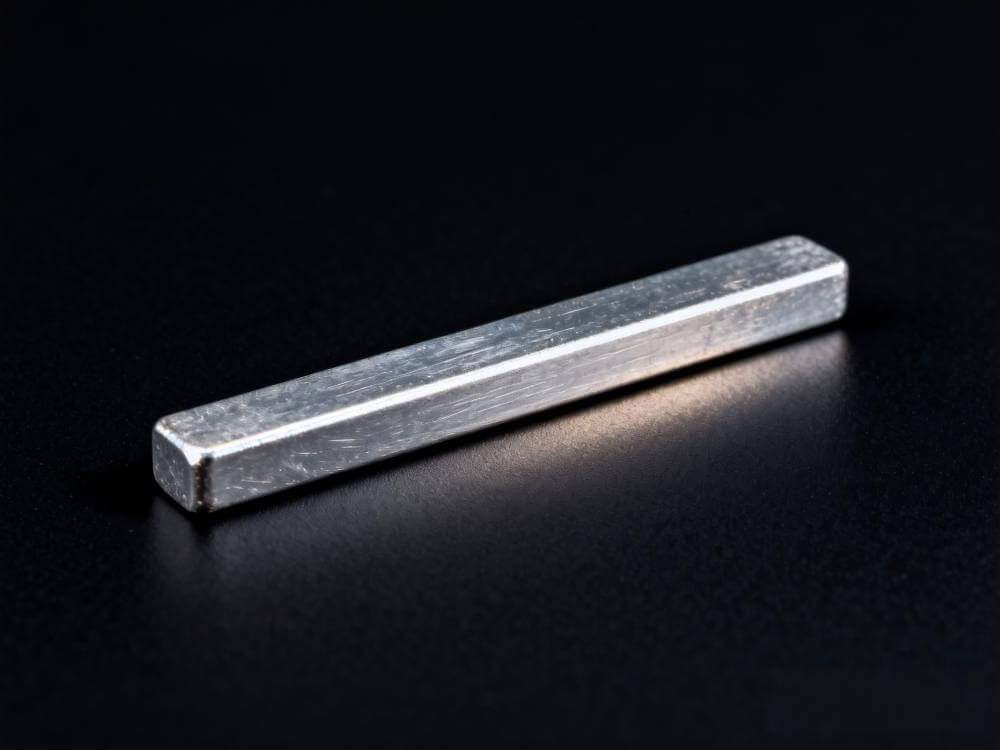
Tungsten, with the chemical symbol W and atomic number 74, is located in the sixth period and group VIB of the periodic table. It possesses exceptionally outstanding physical properties, including a melting point as high as 3,422°C, high density, and extreme hardness. These characteristics make it a "treasure" metal in industrial applications.

In the military industry, tungsten is an indispensable material. Due to its high density and hardness, it is often used in the production of military equipment. Tungsten is also commonly found in high-performance military alloys, significantly enhancing the strength and durability of military equipment and ensuring stable operation in harsh environments.

From the perspective of the national economy, tungsten is a crucial raw material for high-tech products such as hard alloys, superhard materials, and special steels. In the aerospace sector, high-temperature components of aircraft engines and key structural parts of satellites are often made from tungsten-containing materials, enabling them to withstand extreme temperatures and complex mechanical environments. In the machinery manufacturing sector, high-performance cutting tools and wear-resistant parts rely on tungsten-containing materials, which improve production efficiency and product quality. In the electronics and information sector, tungsten is an essential material in semiconductor manufacturing, enhancing the performance of chips and other electronic products and supporting the development of information technology.

At the same time, tungsten is also an important energy material. In nuclear reactors, tungsten is used to manufacture control rods and shielding materials, ensuring the safe operation of nuclear reactors. Tungsten-made key components are also found in solar panels and other renewable energy equipment, contributing to national energy security and sustainable development strategies.

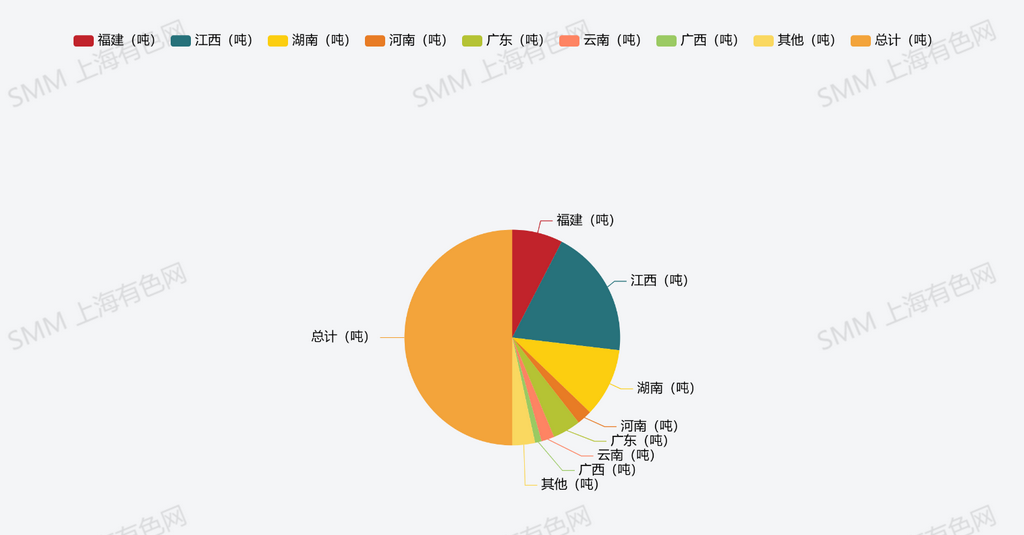
China holds a dominant position in the global tungsten market. According to data from authoritative institutions such as the U.S. Geological Survey, China's tungsten reserves account for approximately 58% of the global total, while its tungsten product production accounts for 80% of the global total, making it a key supplier of tungsten products worldwide.
》Apply for a Free Trial of the SMM Metal Industry Chain Database

China's implementation of export controls on tungsten-related items carries significant implications. From the perspective of national security, it ensures sufficient domestic tungsten resources to meet critical needs such as national defense and military industries. In terms of international obligations, it prevents the proliferation of weapons of mass destruction, their delivery systems, and related products and technologies. From the perspective of industrial development, it guides tungsten resources toward domestic high-end manufacturing, promotes the upgrading of related industries, and enhances China's position and influence in the global industry chain. This move has also drawn greater global attention to the critical value of tungsten as a rare metal in industrial applications.
Data Source Statement: Except for publicly available information, all other data are processed by SMM based on publicly available information, market communication, and relying on SMM‘s internal database model. They are for reference only and do not constitute decision-making recommendations.

For any inquiries or to learn more information, please contact: lemonzhao@smm.cn
For more information on how to access our research reports, please contact:service.en@smm.cn
Related News
China’s Ferromolybdenum Imports and Exports in February 2026 Showed Mixed Changes
13 hours ago
China’s Ferromolybdenum Imports and Exports in February 2026 Showed Mixed Changes
Read More
China’s Ferromolybdenum Imports and Exports in February 2026 Showed Mixed Changes
[Ferromolybdenum Import and Export Information] SMM, March 20: Customs data showed that China imported 240 mt of ferromolybdenum (physical content) in February 2026, up 5.26% YoY and down 16.38% MoM. From January to February, China's cumulative ferromolybdenum imports totaled 527 mt (physical content), down 57.3% YoY. In February 2026, China exported 317 mt of ferromolybdenum (physical content), up 21.92% YoY and down 43.70% MoM. From January to February, China's cumulative ferromolybdenum exports reached 919 mt (physical content), down 25.62% YoY.
13 hours ago
China’s Molybdenum Concentrate Imports and Exports Both Declined YoY in February 2026
14 hours ago
China’s Molybdenum Concentrate Imports and Exports Both Declined YoY in February 2026
Read More
China’s Molybdenum Concentrate Imports and Exports Both Declined YoY in February 2026
[Molybdenum Concentrate Import and Export Information] SMM News, March 20: In February 2026, China imported 4,572 mt of molybdenum concentrate (physical content), down 13.03% YoY and 1.82% MoM. Cumulative imports of molybdenum concentrate in January-February totaled 9,230 mt (physical content), down 13.88% YoY. In February 2026, China exported 558 mt of molybdenum concentrate (physical content), down 46.01% YoY and up 160.72% MoM. Cumulative exports of molybdenum concentrate in January-February reached 772 mt (physical content), down 46.01% YoY;
14 hours ago
China’s Molybdenum Oxide Imports Increased and Exports Decreased in February 2026
14 hours ago
China’s Molybdenum Oxide Imports Increased and Exports Decreased in February 2026
Read More
China’s Molybdenum Oxide Imports Increased and Exports Decreased in February 2026
[Molybdenum Oxide Import and Export Information] SMM News, March 21: Customs data showed that China imported 2,629 mt of molybdenum oxide (physical content) in February 2026, up 386.78% YoY and up 28.12% MoM. Cumulative imports of molybdenum oxide in January-February totaled 4,680 mt (physical content), up 427.03% YoY. In February 2026, China exported 689 mt of molybdenum oxide (physical content), down 43.96% YoY and down 32.2% MoM. Cumulative exports of molybdenum oxide in January-February totaled 1,706 mt (physical content), down 25.90% YoY.
14 hours ago